Choosing the right social media platform for your business Digital Journal
* This article was originally published here
Friday, June 7, 2024

Thursday, June 6, 2024
Social Listening vs. Social Monitoring: How To Use Both in 2024
If you’ve ever wondered about the difference between social listening vs. social monitoring, we’re here to fill you in. They may sound similar, but in terms of execution and strategic purpose, they’re quite different.
While social listening is more high-level and proactive, social monitoring tends to be more reactive and on a smaller scale. Both social listening and monitoring require specific tools and skills to be done well.
Still, both social listening and social monitoring provide valuable data for businesses. They enable businesses to understand what their customers are saying about them in real-time.
Bonus: Take action on customer insights and drive impact for your organization with our complete guide to social listening using Hootsuite x Talkwalker.
What is social media monitoring?
Social media monitoring is the process of tracking social mentions, which can be specific keywords, phrases, or hashtags. These mentions can be about a company, individual, product, or brand.
Social monitoring requires using specialized tools to gather qualitative and quantitative data. This data can then inform marketing. It can also improve customer engagement and brand reputation.
For example, as the Social Media Manager for the Vancouver Canucks, I used Hootsuite Streams daily. Streams helped me track fan replies and mentions of the team across Facebook, Instagram, YouTube, and X.

Having all comments in one dashboard allowed me to reply to all fan comments from one place. It helped me catch fan issues, such as with tickets, quickly.
Why does social media monitoring matter?
Social media monitoring allows businesses to stay on top of what is being said about their brand, competitors, and industry.
You can bet that if you have customers, they have opinions about your products and services—and it’s up to you to be aware of what they’re saying.
The most powerful feature of social monitoring tools is filters. Filters enable you to remove all non-relevant posts from your target accounts. That way, you’ll only see the comments and posts that are interesting to you. With filters, you don’t miss any important comments about your products, positive or negative.
Below, we’ll provide some real-life examples of how social media monitoring can benefit your brand or small business.
Improved customer service
All brands using social media should check their social mentions regularly. Social mentions (aka whenever your brand name is used on social media) can include questions, complaints, feedback, and more. Real-time monitoring allows businesses to provide timely responses and support.
Businesses should set up social monitoring streams with their brand name as a keyword. They should include the hashtag, tag, and handle. This will capture all the ways that a customer may mention a brand, both direct and indirect.
This tweet shows United Airlines responding to an indirect mention of their brand name, not their handle.
Community building
Monitoring your social mentions is a great way to talk to your audience. It can help you build relationships with your community.
For example, monitoring can help you find posts or comments worth re-sharing to your channels as a response post. Or you can take note of commonly asked questions and turn those into a series of FAQ posts to share on your Stories.
Social monitoring tools allow brands like Drunk Elephant to tag Instagram comments. They use the comments to create Reels to answer common customer questions, like the one above.
Real-time marketing
Brands can use social media monitoring to spot opportunities to join conversations and create real-time marketing content.
As a social media manager, you should get to know your niche’s main thought leaders and influencers. You can then create monitoring streams with these accounts. You can also use the streams for competitors and related brands. The streams allow you to see the conversations happening in your industry.
You can also watch emerging social media trends. Jump into the conversation when it feels relevant to your brand.
I love this example from @LionsgateUK. First, they’re jumping into a pop culture conversation (Taylor Swift’s newest album). Second, it’s related to one of their films (The Hunger Games: The Ballad of Songbirds & Snakes). Kudos to the social listening setup that allowed them to find this post!
Ready to start tracking your social media mentions? We’ve created a step-by-step guide to set up your social media monitoring.
What is social listening?
Social listening is the exercise of tracking and analyzing all conversations on social media channels that are relevant to your business.
While social media monitoring tracks mentions and interactions, social media listening goes further. It aims to understand the context, emotions, and meanings behind the conversations.
Here are some examples of what you can determine through social media listening:
- Social share of voice. Explore the percentage of relevant conversations about your brand vs. your competitors.
- Brand sentiment. Discover how your customers feel about your brand, from positive to negative.
- Social ROI. Find out how much return you’re getting from your social media efforts.
- Trends. Uncover the topics, memes, or events being talked about within your niche.
Most importantly, businesses can use insights from social listening to make data-driven decisions instead of guessing what will resonate with their audience.
Why does social listening matter?
Social listening helps businesses stay in touch with their customers, competitors, and industry.
With social listening, you can mitigate customer crises, protect your brand reputation, and understand brand sentiment. You can also gain insights into your customers’ needs.
As a digital brand, Booking.com receives a large volume of mentions every day, from customer support issues to brand engagement. Social listening enables us to monitor the conversations and drill down at anytime into burning topics. We recently started listening on TikTok, and we’ve learned so much. People speak more truthfully about brands in user-generated videos.
– Corina Bordeianu, Senior Social Media Manager at Booking.com
Below, we’ll explore several ways to use social listening to help your business.
Brand reputation management
One of the main uses for social listening is monitoring what people say about your brand. Social listening tools can find common words and topics. They can also measure positive and negative sentiments about your business. Then, you can promptly address any negative feedback or issues.
These insights can be especially valuable when launching major campaigns. We recommend creating a listening dashboard for each campaign, tracking any campaign-specific hashtags, promoted posts, and sentiment for all posts.
Hydro-Québec, an electricity provider in Canada, increased its brand reputation score by 20% by experimenting with a new brand tone of voice. They used Talkwalker to measure the change in audience sentiment before and after the shift.
Market research
Businesses can use social listening to analyze social media discussions and gather insights into customers’ preferences, opinions, and needs.
You can get quantitative insights (based on the frequency and volume of keywords and topics) and qualitative insights (sentiment and top keywords).
Crisis management
Social listening is a powerful tool for crisis management. Like brand reputation management, you can use social listening tools to set alerts for negative keywords + your brand and product names. These alerts can help you identify and address potential crises or controversies before they escalate into significant issues.
Many hospitality brands faced challenging crisis management situations during the pandemic, including Meliá Hotels International.
To help frustrated guests navigate disrupted travel plans, Melià centralized all incoming messages into its Hootsuite Inbox and used Talkwalker to track customer sentiment.
Identifying influencers
One of the more creative ways to use social listening is to identify creators or influencers who could be a good fit to partner with your brand.
You can do this by monitoring relevant hashtags and keywords for your products or industry and identifying individuals within those streams with established audiences.
Then, with one tap from your listening dashboard, you can explore the influencer’s profile, scroll through their most recent posts, or send them a message to propose a collaboration.

Within my social listening dashboard, I have streams monitoring hashtags like #ErasTourOutfits to find UGC to engage with and potential influencers to partner with.
Competitor analysis
Are you keen to keep tabs on your competitors? Track your competitor’s social media posts and campaigns through social listening.
With social listening tools, you can identify trends, competitors’ strengths and weaknesses, and opportunities in the market.
Ready to become a social listening pro? Here are 7 tips for how to optimize your social listening setup.
Social listening vs. social monitoring
So, what’s the difference between social listening and social monitoring?
Social monitoring focuses on tracking brand mentions and keywords to deliver engagement and customer service on a day-to-day basis. Social listening incorporates broader topics, searches, and analyses to give you a high-level overview of what’s being said about your brand, industry, and competitors over time.
Here’s a visual summary of the differences between social listening and social monitoring.
| Social monitoring = Specific brand mentions and interactions | Social listening = All conversations related to your brand, products, competitors, and industry |
|---|---|
| Smaller scale | Higher level/larger scale |
| Reactive | Proactive |
| Deliver customer service & engagement in real time | Gather insights over time to make strategic decisions |
| Track brand keywords & hashtags | Track non-brand keywords and related topics |
| More manual | More automated |
5 tools to manage social media monitoring and social listening
While social platforms have some basic listening and monitoring features built in, they’re pretty limited in the insights provided.
To unlock the full benefits of social listening (such as seeing posts from all channels in one place), you’ll need a third-party tool.
1. Hootsuite
Hootsuite is an all-in-one social media management tool that has both social monitoring and social listening built in.
Streams
With Hootsuite Streams, you can set up a dashboard with many columns to monitor keywords, mentions, hashtags, and other custom searches.
Streams allow you to see all your important messages and interactions in one place, and engage or reply right from your dashboard.
Inbox
Hootsuite Inbox gives businesses an advanced customer care hub, enabling you to reply to messages and comments from many platforms in one place. Inbox unifies messages from Facebook, Instagram, X, LinkedIn, WhatsApp, and Messenger (see full details here).
Inbox allows multiple users to use saved replies, tag and assign messages, provide approvals, and see conversation history, making it great for teams.
Insights
Hootsuite Insights gives you an instant overview of millions of online conversations. Soon, Talkwalker will integrate with Hootsuite to provide the world’s most powerful social listening tool (more on that below).
With Insights, you can not only track conversations about your brand, but also identify trends and influencers, measure campaign performance, and analyze & understand negative sentiment.
2. Talkwalker

Source: Talkwalker
Talkwalker is a listening tool that includes all social platforms, blogs, forums, videos, news sites, and review sites. It offers more than 50 filters to help you hone in on what’s relevant. You can filter by region, demographics, device, type of content, and more.
You can use Talkwalker to analyze reach, engagement, sentiment, important influencers, and conversation clusters. Another thing it can do? Spot activity peaks in conversations, which can tell you the best times for your brand to post on social.
The best part? Hootsuite is set to acquire Talkwalker, which means it’ll be available within your Hootsuite dashboard soon.
3. Agorapulse

Source: Agorapulse
Agorapulse is an established social media tool that offers listening across social networks, blogs, and news sites.
It offers most key listening features, such as tracking mentions, engagements, keywords, and hashtags, measuring brand health and sentiment, finding influencers, and competitor listening.
4. Mentionlytics

Source: Mentionlytics
Mentionlytics is a robust tool that allows you to track what’s being said about your brand in various languages. It monitors mentions, keywords, and sentiment across social networks, blogs, and news sites.
Some unique features of Mentionlytics include finding top influencers, monitoring keywords, and detecting emotion in every mention, all in other languages. It also uses AI to power its social listening tools.
Mentionlytics offers a free app integration with Hootsuite.
5. Meltwater

Source: Meltwater
Meltwater provides robust social listening and online media intelligence for businesses.
Where Meltwater stands out is its generous historical data and variety of sources, including podcasts, TV, radio, and commercial editorial media.
Check out the free Meltwater integration in Hootsuite.
Hootsuite makes it easy to monitor keywords and conversations on social media, so you can focus on taking action on the insights available. Try it free today.
Manage all your social media in one place, measure ROI, and save time with Hootsuite.
Book a DemoThe post Social Listening vs. Social Monitoring: How To Use Both in 2024 appeared first on Social Media Marketing & Management Dashboard.
* This article was originally published here
Wednesday, June 5, 2024
Social Listening: The Best Way To Understand Your Audience
If you don’t have a social listening strategy, you’re missing out on some of the most valuable data available to help build your business.
Social media listening tools allow you to build a solid understanding of what customers and potential customers think about you by analyzing what they say on social channels. You can also learn what they think about the competition. This is incredible market research readily available in real-time, as long as you know how to access it.
Want to get right to it? Watch social media expert Nick Martin explain the three steps of social listening in the video below:
If you’d prefer a more detailed guide, read on to learn about:
- What social listening means,
- The benefits of social listening,
- How to do social listening well, and
- Which great social media listening tools you should use.
Bonus: Discover the best way to gather insights and intel from your audience, competitors, industry, and favorite aspirational brands in our complete guide to advanced social listening.
What is social listening?
Social listening is the practice of proactively monitoring social media channels for mentions of your brand, competitor brands, and related keywords.
Social listening lets you track every mention of your brand on social media in real time. You’ll be able to learn how customers feel about your products and services, what they want, and what they don’t want.
But don’t stop at tracking mentions of your brand. With social media listening, you can also:
- Track competing brands,
- Monitor trending content and
- Conduct a sentiment analysis on topics meaningful to your business.
Social listening insights can influence your business decisions, including marketing and product strategy, customer service, and support. You can use the info you gain to make smarter, data-driven calls that can positively impact your business’s bottom line.
Your social strategy. Handled.
Get the all-in-one social media performance engine for HALF OFF.
(This price won’t be around for long!)
Claim 50% off HootsuiteThe difference between social monitoring and social listening
They sound similar (and they are!), but the difference between social monitoring and social listening is simple. Social media listening is proactive — social monitoring is reactive.
Social monitoring looks at specific brand mentions and sends alerts whenever your brand is mentioned online. It is sometimes referred to as brand monitoring.
Social monitoring is useful for quickly responding to complaints, but it doesn’t give you a big-picture view of what people are saying about your brand or industry.
Social listening, on the other hand, gives you a complete overview of all online conversations related to your brand, products, industry, and competitors. This holistic approach provides valuable insights that can help you make strategic decisions about your marketing and social media strategy.
In short, if you want to stay on top of the latest trends and see what people are saying about your brand over time, you need a social listening strategy.
What does social listening actually look like?
We’ve pulled together a few social listening examples to show you the concept IRL.
1. Spotify
Spotify has an entire Twitter account and website dedicated to customer conversations. This type of social listening allows people to come directly to them.
The Spotify Cares account also monitors tagged and untagged mentions, so they never miss an opportunity to offer support.
2. McDonald’s Canada
In 2023, McDonald’s limited edition Grimace shake took over the internet, but Canadian consumers missed out on all the fun — and weren’t quiet about voicing their displeasure.
Luckily, McDonald’s Canada was listening. In 2024, they brought the purple shake north of the border.
 (@mcdonaldscanada)
Way to pay attention, Ronald McDonald.
3. Samsung
Social listening isn’t just about noticing what your customers want, either. Sometimes, it means paying attention to what your competition’s customers don’t want.
After Apple’s “Crush” iPad ad went viral for all the wrong reasons…
Apple apologizes for its iPad "Crush" ad. It will not be shown on TV or receive any paid media. The ad remains up on Apple's YouTube channel and I assume will remain in iPad event replies. Apple came up with the ad internally. https://t.co/Bgrzkjd49M pic.twitter.com/1Tab7ZQp9a
— Neil Cybart (@neilcybart) May 9, 2024
…Samsung capitalized on the trending conversation with their own version of the ad.
We would never crush creativity. #UnCrush pic.twitter.com/qvlUqbRlnE
— Samsung Mobile US (@SamsungMobileUS) May 15, 2024
4. Airbnb
When influencer Alix Earle’s summer vacation rental turned out to be a scam, the popular creator turned to TikTok for help.
@alixearle 4 girls 1 cot #positano #girlstrip ♬ hi erica – Cameron
Luckily, Airbnb was listening.
They came to the rescue fast, quickly offering an alternate place for Earle and her friends to stay.
@alixearle THIS IS NOT REAL LIFE. Omg thank you @airbnb for coming to the rescue #positano #airbnb #italy #girlstrip ♬ original sound – Alix Earle

Not only did Alix Earle get a beautiful new vacation rental, but Airbnb managed to generate some serious goodwill among the creator’s 6M+ TikTok followers.
All thanks to the power of social listening!
The benefits of social listening for your business
If you’re not using social media listening, you’re creating your business strategy with blinders on. Current and prospective customers are already talking about your brand and industry online. It’s in your best interest to listen to what they have to say.
Here are some of the ways social listening can benefit your business.
Understanding your audience
Social media listening helps you better understand what your audience wants from your brand. People will tell you what they want; you just have to listen.
For example, an existing customer might tweet about how much they love your product. Or, you might spot a conversation where people are looking for solutions your product could provide.
In both cases, you can use this feedback to improve your offering and make your customers happier.
Business and product intelligence
Monitoring conversations around the industry also uncovers a ton of insight about what’s working and what’s not. People love to vent, so you can learn about current frustrations with products, both yours and your competitors.
This information is a gold mine for your customer service, product development, and marketing teams.
Once you modify your products/shipments/customer service, tell people about it in a targeted campaign.
Crisis management
Social listening allows you to track sentiment as it changes. You’ll know immediately when the tone of people’s conversations about your brand shifts.
This is like an early warning system for potential crises. Social listening can create opportunities to fix or address issues before they boil over.
If sentiment is down, review the social feedback to identify the change’s source. While you’re at it, look for lessons that could prevent a similar misstep in the future. This can help you address PR disasters before they get out of hand.
The Loblaws boycott, for example, picked up speed by trending on X/Twitter. While Loblaws chose not to address the boycott, they are certainly aware of it and likely monitoring the situation.
TWO MORE DAYS.
— Daniel James Pike
Loblaws is OUT OF CONTROL.
Today I wanted to buy a congratulations card from Shoppers—- it was $10.99!!!!!!!! I did not buy it!
From May 1-30, Canadians are boycotting Loblaws Corp.
SHOP LOCAL!#BoycottLoblaws #Loblaws #Loblawsisoutofcontrol #Canada pic.twitter.com/MZ3Rn2Dmpr(@danieljamespike) April 29, 2024
Customer relationships and acquisition
Social listening can help you uncover questions and conversations about your industry on social platforms. Still, you should refrain from using it as an opening to jump in and try to sell right off the bat.
If you’re going to join a conversation, do it with your audience in mind. What value can you add?
Online, you have the opportunity to develop relationships with potential customers in your industry. Once you have a relationship, you can nurture it for social selling.
What an amazing game of banana ball! And I won the @Zappos giveaway.
—
Go @TheSavBananasBryce Betts
Collaboration opportunities
Monitoring social conversations about your industry will give you a sense of who the important creators and thought leaders are in your space. These are important people to connect with. They can have a huge influence on how people feel about you.
Remember: This is a two-way street. Supporting others in your industry makes it more likely they will help you in return. Rather than trying to barge into an existing community, connect through collaborations with people within the community.
Keep an eye out for folks already saying great things about your brand. These are natural brand advocates. Reach out to them and look for opportunities to collaborate in meaningful ways.
Competitor and industry trends
Social listening is more than understanding what people say about you. It is also important to know what your competition is doing and how people talk about them and your industry.
The conversations you find might reveal a gap in the marketplace you could step up to fill. Or maybe it’s an opportunity to jump in and stir up some friendly competition — for clout, of course.
Wendy’s, for example, is always quick to jump on their competitor’s Tweets.
Discovering these new opportunities and threats as they happen allows you to plan and respond on the fly.
Uncover market trends
We all know how fast the social media landscape changes. What’s viral one day is passé the next. Staying on top of trends is a full-time job without social listening to do it for you.
Track relevant keywords and hashtags related to your industry to stay ahead of the curve.
You can also use social listening to predict future trends by analyzing what people are talking about now and how those conversations have changed over time.
These insights can shape your content strategy, product development, and marketing campaigns.
Psstt: Read the Hootsuite Trends Report to keep up with new and noteworthy trends.
Improve campaign targeting
Personalization is key to any social advertising campaign. Your audience wants to feel like you’re speaking to them directly and not just churning out generic content.
Social listening will show you the issues your audience cares about, the kind of language they use, and what resonates with them. Think of it like a survey that’s always running in the background.
Use these insights to inform your campaign, from the copy to the visuals. This will help you create content that speaks directly to your audience.
- Customers talking about social burnout? Build a work-life balance guide to show you care.
- People in your target region complaining about the weather? Create a short-term sale on season-appropriate items.
- Seeing an uptick in small business for social media requests? Why not build an entire campaign to help them out?
How to create your own social listening strategy in 5 steps
Jumping straight into social listening without a plan is a good way to get overwhelmed. Make the most of your time and energy by starting with a social media listening strategy.
Here’s how to create one in five simple steps.
Step 1: Decide on your goals
There’s so much data out there. If you don’t first decide on your objectives, you’ll be drowning in information. Determining your goals allows you to filter the noise.
To determine your goals, ask yourself:
- Is it important to know how my brand stacks up against the competition?
- Do I know where we stand in the marketplace?
- Are people enjoying our products? Could they be improved?
- Do we know what our brand sentiment is?
- Do people know we exist?
- Do people know our products or services can solve for [this specific issue]?
The answers to these questions will tell you whether you should focus on brand awareness, outranking your competitors, or improving your product offerings.
Step 2: Decide on the search terms and competitors you should keep an eye on
Once you know what you’re working towards, you’ll have a better idea of the keywords you need to target.
Start making lists of keywords and search terms you’ll need to target. These might cover:
- The keywords associated with your brand or industry
- Your competitor’s names
- The keywords associated with your products or services
Step 3: Choose a social listening tool
Choosing a tool is one of the most important things you must do when setting up a social media listening strategy. We love Hootsuite Streams and Talkwalker for obvious reasons.
Here’s how to easily create your own social listening Streams using Hootsuite:
Head to your Hootsuite Dashboard
Log in to your Hootsuite account and head to your dashboard. If you don’t have an account, don’t fear: It’s easy to sign up.
Add and customize your Streams
On the left-hand menu, navigate to the Streams icon.

Then, click on + New Board in the top left corner, and follow the Board type prompts on the right-hand side of your screen.

You can choose to:
- Monitor your own content. Follow all activity on your own social accounts.
- Discover new content. Keep an eye on competitors, trends, and social conversations.
- Follow personalized feeds. Create custom streams based on any theme or activity in your accounts or those you follow.
The board type you choose will depend on your goals. We recommend setting up multiple Streams to monitor your industry, competitors, accounts and campaigns.
You can adjust the Stream settings to show you more or less content, depending on your preferences.
Here’s a video on fine-tuning your social listening Streams:
Step 4: Take action or compile your findings
Create a system for responding to common social listening findings. Note which comments can be acted on immediately and how and which should be sent up the chain of command.
Some actions can be taken immediately, such as liking or reposting a positive comment or sending a quick response to a complaint.
Some things should be saved for future consideration, like conversational trends, potential brand ambassadors, or recommended product or service updates.
Then, create a spreadsheet to compile your findings. This will help you easily recognize trends and patterns and turn your findings into actionable insights.
Step 5: Use the insights you’ve gleaned to inform your digital strategy
You can better inform your larger digital strategy by:
- Continuously tracking mentions,
- Compiling data from your campaigns and social accounts, and
- Keeping an eye on your brand sentiment.
For example, you might notice people consistently posting about one feature of your product suite. It would make sense to focus your marketing efforts on amplifying this feature.
Whatever you find, be sure to share your social listening report with your team. Social listening analytics can benefit everyone.
3 social media listening tools
Social listening tools pull data from multiple sources, helping you find valuable information about how people are talking about your brand, products/services, and industry.
Here are three social media listening tools you can use today.
Hootsuite
Hootsuite’s number one in our hearts, thanks to the user-friendly Streams tool.
Streams allows you to use Hootsuite to monitor conversations, keywords, mentions, and hashtags.
“…[with] streams, you can get any important activity from any and all platforms on all accounts with a quick glance, being freed from checking into every platform from every account; if somebody retweets or mentions you, you will know ASAP and be able to respond accordingly.”
– Aacini H., CFO & Marketing Director
Streams also allows you to stay informed about your industry. You can easily monitor the competition and build relationships with social media creators and potential brand advocates.
It’s an easy tool to set up and monitor, taking the guesswork out of your marketing.

Talkwalker
Talkwalker offers more than 50 filters to monitor conversations across 150 million data sources, including blogs, forums, videos, news sites, review sites, and social networks.
You’ll be able to monitor conversations around your brand and measure engagement, potential reach, comments, and sentiment.
Talkwalker is especially useful to spot activity peaks in conversations about your brand. This can help you determine the best times for your brand to post on social media.

Source: Hootsuite
Psst: Hootsuite is set to acquire Talkwalker VERY SOON. This means you’ll have access to Talkwalker social listening and analytics directly in your Hootsuite dashboard!

Brandwatch
Want to get more advanced with your social media listening? Brandwatch‘s features allow you to segment and analyze data and uncover actionable insights.
Insights also makes it easy to anticipate trends, measure campaigns, and stop a growing crisis with social data.

Source: Hootsuite
5 pro tips for social listening
1. Listen for the right words and topics
Successful social listening is all about choosing the most relevant keywords for your brand.
The keywords and topics you monitor will likely evolve over time. Social listening tools can teach you what kinds of words people use when discussing your business and your industry. You’ll also start to understand the insights that are most useful to you.
If you need help getting started, here’s a list of important keywords and topics to monitor:
- Your brand name and handles
- Your product name(s)
- Your competitors’ brand names, product names, and handles
- Industry buzzwords
- Your slogan and those of your competitors
- Names of key people in your company and your competitors’ companies (your CEO, spokesperson, etc.)
- Campaign names or keywords
- Your branded hashtags and those of your competitors
- Unbranded hashtags related to your industry
You can also monitor common misspellings and abbreviations.
2. Listen in the right places
Part of discovering what your audience has to say about you is learning where they have their conversations.
You need to know where people are talking about you and your industry and how those conversations vary across networks.
For example, do they praise you on Instagram but voice complaints on X/Twitter?
This behavior will guide your marketing strategy for joining the conversation through both organic engagement and paid advertising.
3. Narrow your search
Once you’ve determined which terms and networks you should monitor, you can use more advanced search techniques to filter your results.
For example, depending on your market, you might want to limit your social listening efforts by geography. You won’t be concerned about the conversation in Greece if you run a local business in Iowa.
4. Share what you learn
Social listening provides a wide range of useful information for your whole company.
The customer service, content marketing, and product development teams could all benefit from what you learn while listening on social media. Make sure to communicate your insights and seek input from those teams, too. They might have specific questions you could answer by tweaking your social listening setup.
5. False positives are okay (within reason)
When you set up a query to monitor for a specific keyword or phrase, some posts that might not be relevant will sneak into the results. We call these false positives.
It’s okay to see a few of these within reason. Hootsuite’s social marketing team tries to get false positives below the 5% threshold.
Work to refine your search queries so that the majority of your results match what you’re looking for.
Hootsuite makes it easy to monitor keywords and conversations on social media, so you can focus on taking action on the insights available. Try it free today.
With files from Christina Newberry and Hannah Macready.
All your social media analytics in one place. Use Hootsuite to see what’s working and where to improve performance.
Free 30-Day TrialThe post Social Listening: The Best Way To Understand Your Audience appeared first on Social Media Marketing & Management Dashboard.
* This article was originally published here
Tuesday, June 4, 2024
Monday, June 3, 2024
Sunday, June 2, 2024
Subscribe to:
Posts (Atom)
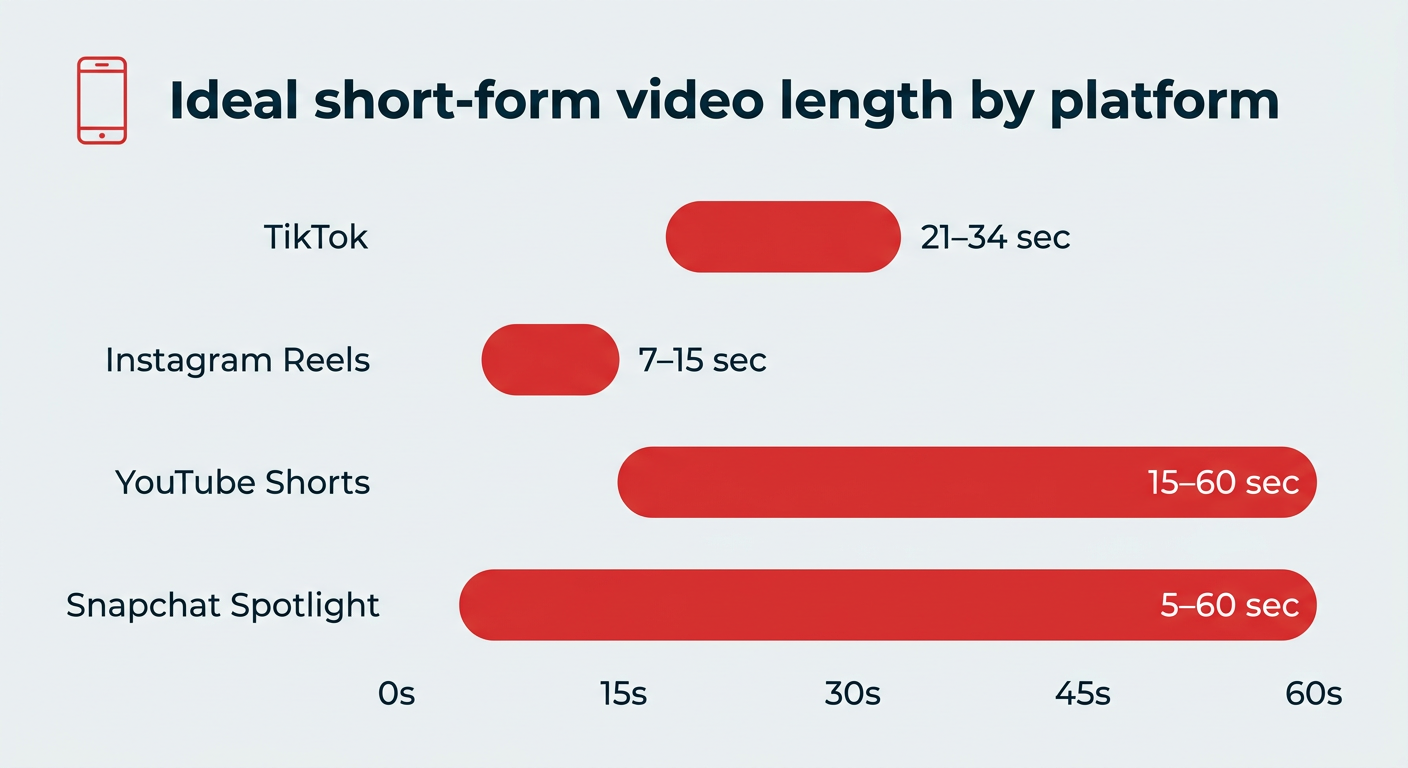
How to make short-form videos that stand out in 2026
Key takeaways Short-form video defined: Video content typically under 60 seconds, built for vertical, mobile-first platforms like TikTok, I...
-
Storyboard | How Nykaa captured the online beauty market in India pre IPO Moneycontrol.com * This article was originally published here ...
-
You could spend your days trying to outsmart Instagram’s ever-changing algorithm. Or, you can take the direct route with Instagram ads. ...
-
Apple's new privacy changes have cost social media platforms nearly $10 billion, Facebook takes the biggest hi Business Insider India...
